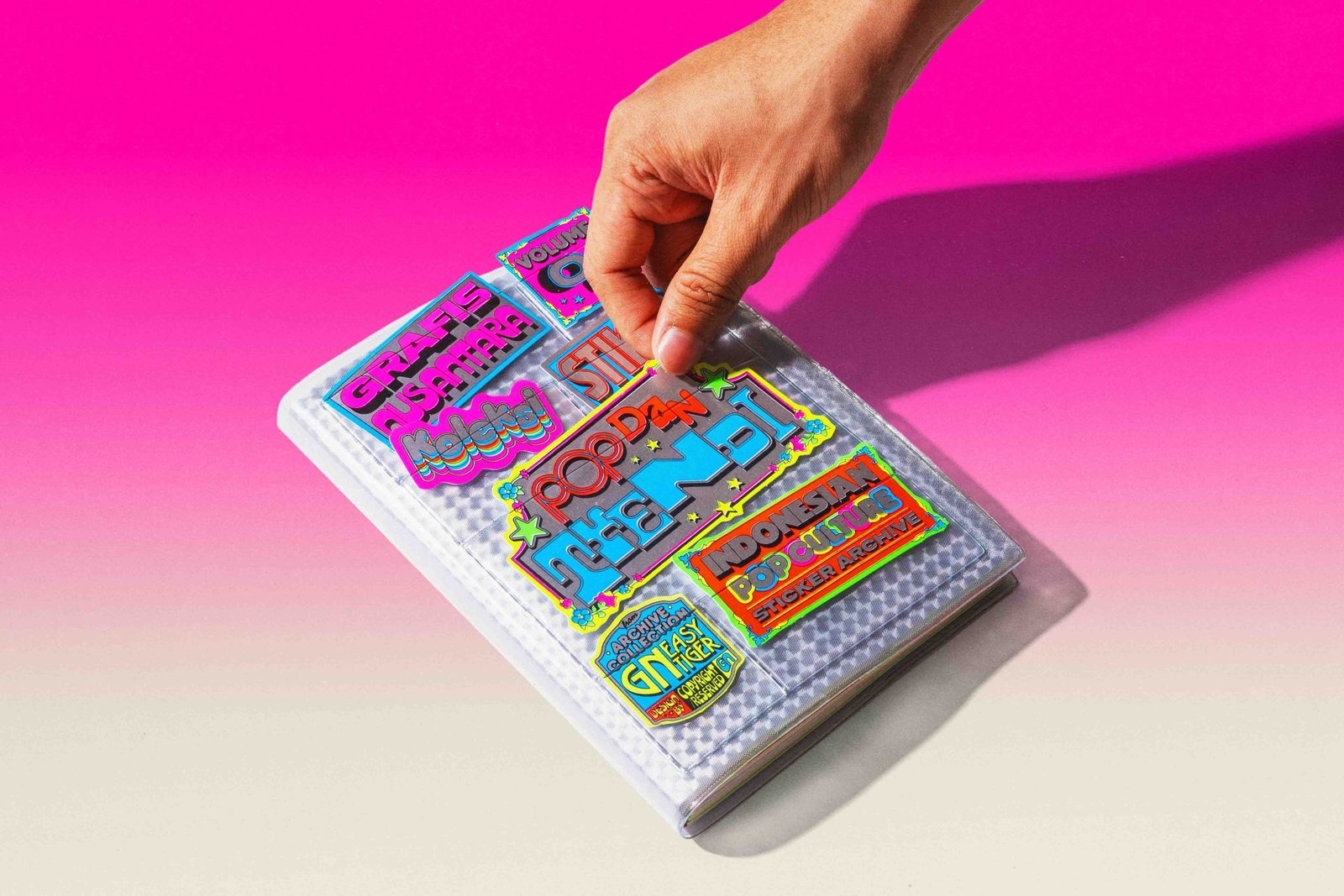
On Friday mornings, men across Indonesia arrive at the mosque wearing a peci, or songkok, often paired with a sarung [1] wrapped around the waist. The combination is unremarkable enough to pass without notice, appearing week after week in prayer halls, neighbourhood streets, and oftentimes family photographs.
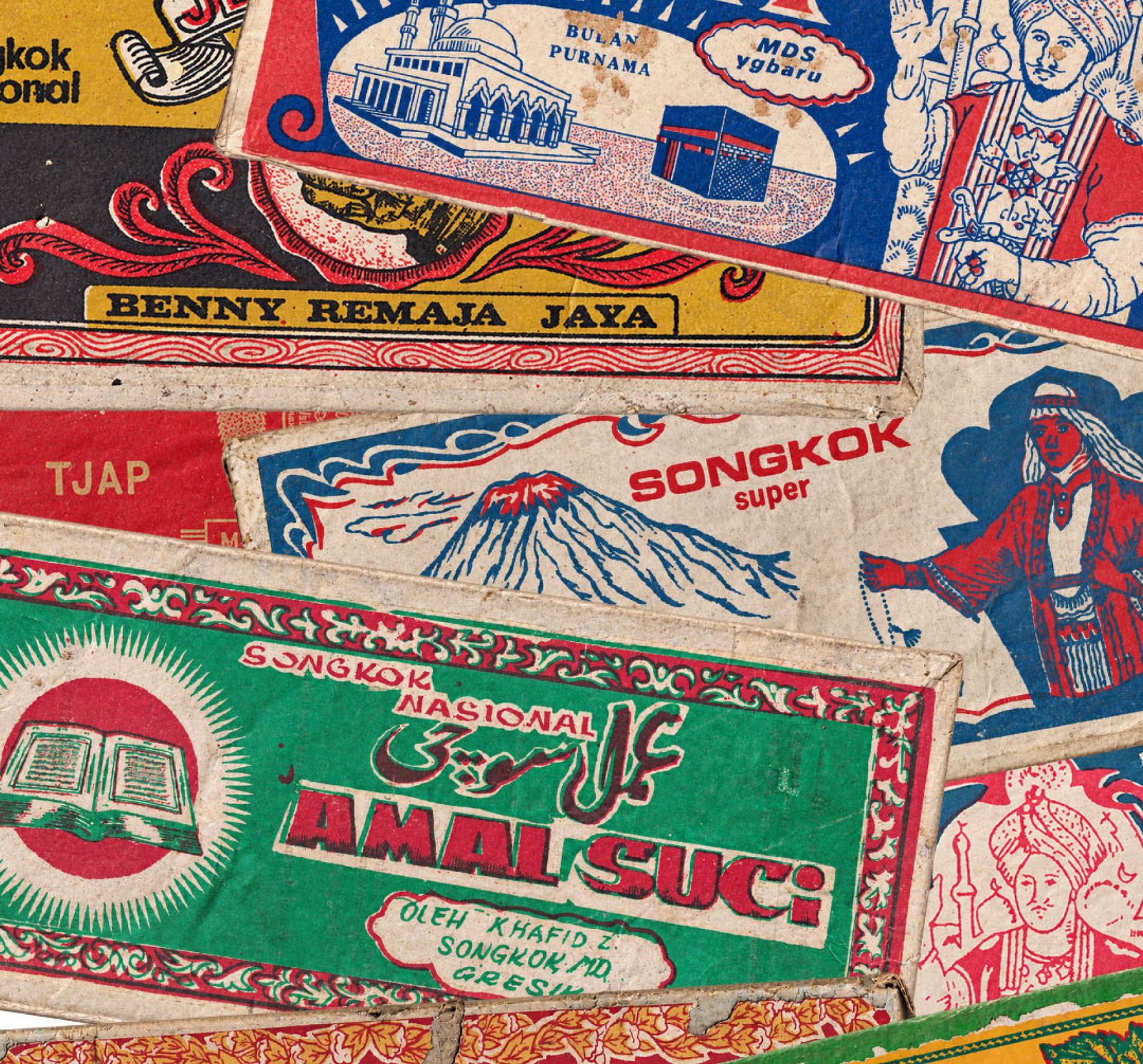
Both garments are commonly sold folded inside clear plastic sleeves, accompanied by a printed slip tucked in. The slip is not sewn onto the product and rarely survives its opening. Yet before it is discarded, it performs an important role: introducing the garment through a carefully composed image. Across manufacturers, the labels return to a remarkably familiar visual vocabulary: domes and minarets, Arabic calligraphy, and scenes of the Holy Land Mecca and Medina, often enclosed by dense ornament and centred around a panel of text or illustration.
These small, disposable pieces of packaging offer an unexpected record of how Islamic piety was pictured for an Indonesian consumer. Their repeated images also reveal a persistent visual association between religious devotion and the Arab world. The following songkok and sarung labels from the Grafis Nusantara collection trace some of the ways that association was constructed and adapted.
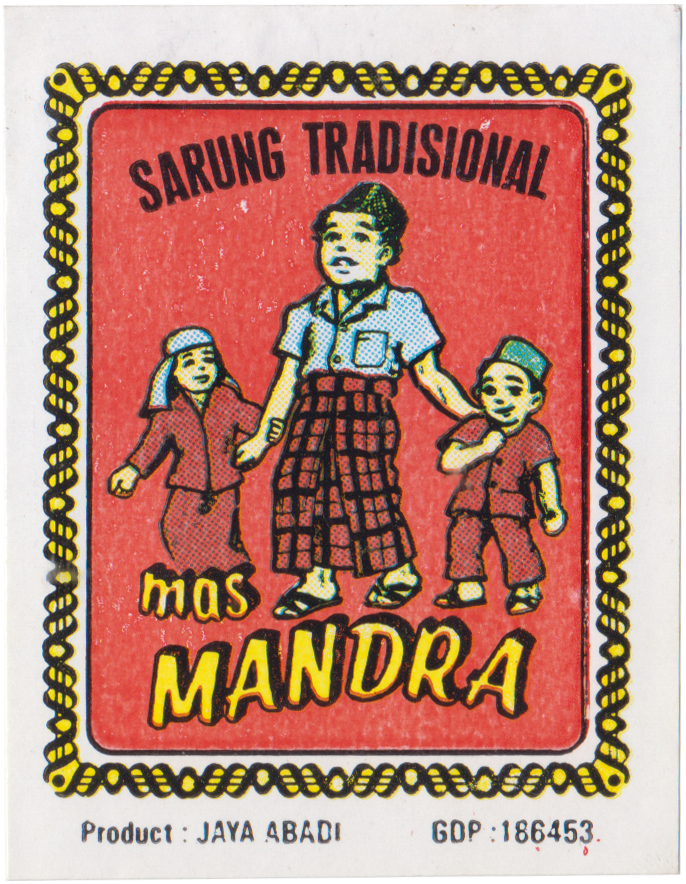
[Fig.1] This printed paper label from the Grafis Nusantara Collection features the Sarung Tradisional by Mas Mandra, Jaya Abadi. The design depicts a man in a checked sarung holding hands with two children, one in a peci and the other in a headscarf, framed by a black-and-yellow rope border, illustrating the sarung as part of a typical family outing.
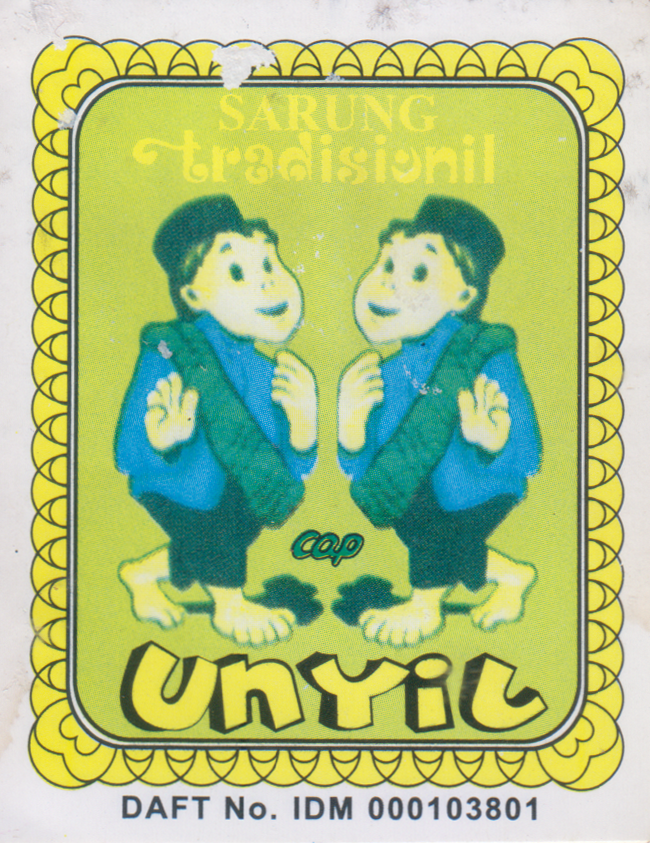
[Fig.2] This printed paper label from the Grafis Nusantara Collection features the Sarung Tradisional, Cap Unyil. The design includes two mirrored cartoon boys in pecis, each with a sarung slung across their shoulders, greeting or praying. The label references Si Unyil, a beloved puppet hero from a children's television series, connecting the garment to a character familiar to many Indonesian families.
The Gaze of the Sacred Land
Many labels in the Grafis Nusantara collection turn to the holy cities of Islam, with Mecca appearing most often. On the Tanah Suci label [Fig.3], the Kaaba stands at the centre of the Grand Mosque, enclosed by rows of colonnades that fill the composition. An airplane crosses the sky above it. Within a few centimetres, the label brings together the destination of pilgrimage and the modern journey taken to reach it.
For Indonesian Muslims, Mecca has long been both familiar and distant. Its images circulate widely through television, photographs, social media, and the souvenirs pilgrims bring home, while the journey itself requires years of saving and, for many, a long wait for a place in the annual pilgrimage quota [2]. The labels reduce that distance to something that can be held, bought, and worn.
The sacred city thus enters the marketplace not through the garment itself, but through its discarded packaging. A photograph or illustration of Mecca turns a peci or sarung into something associated with a destination that remains physically far beyond the reach of most of its buyers. The Tanah Suci label makes that longing part of the product’s visual identity, bringing the imagined journey into the everyday act of purchasing a garment.
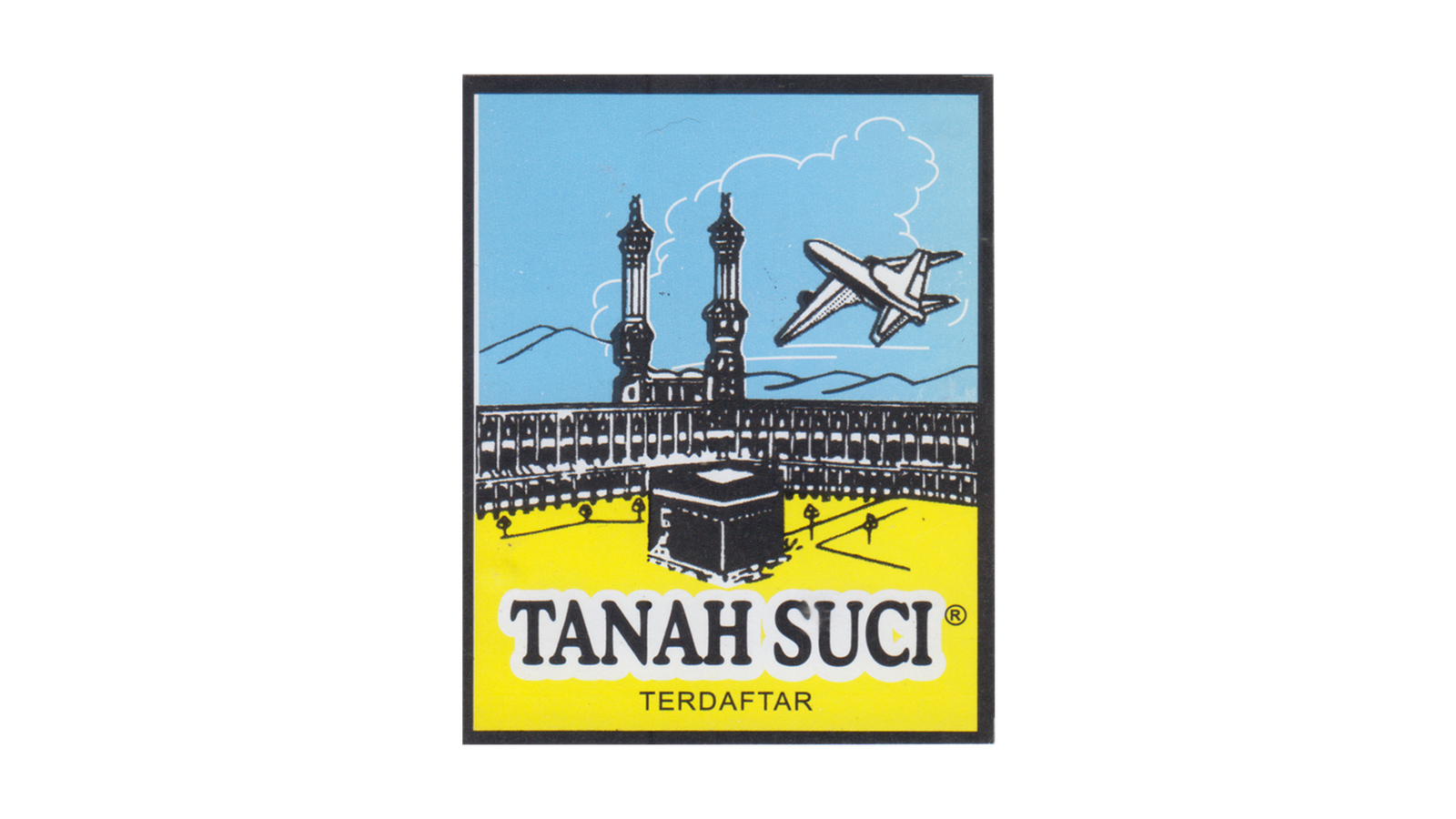
[Fig. 3] This printed paper label from the Grafis Nusantara Collection features the Tanah Suci sarung label.
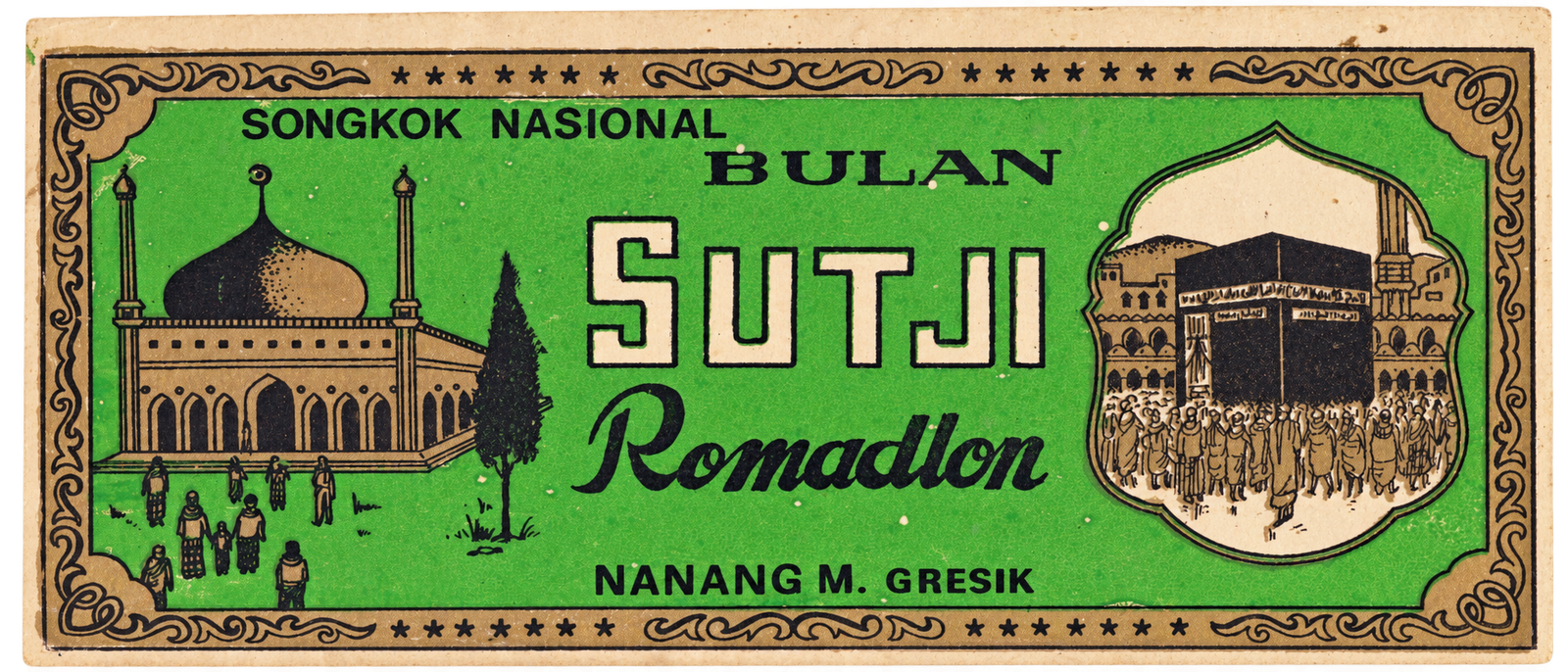
[Fig. 4] This printed paper label from the Grafis Nusantara Collection features the Songkok Nasional Bulan Sutji Romadlon, created by Nanang M. in Gresik.
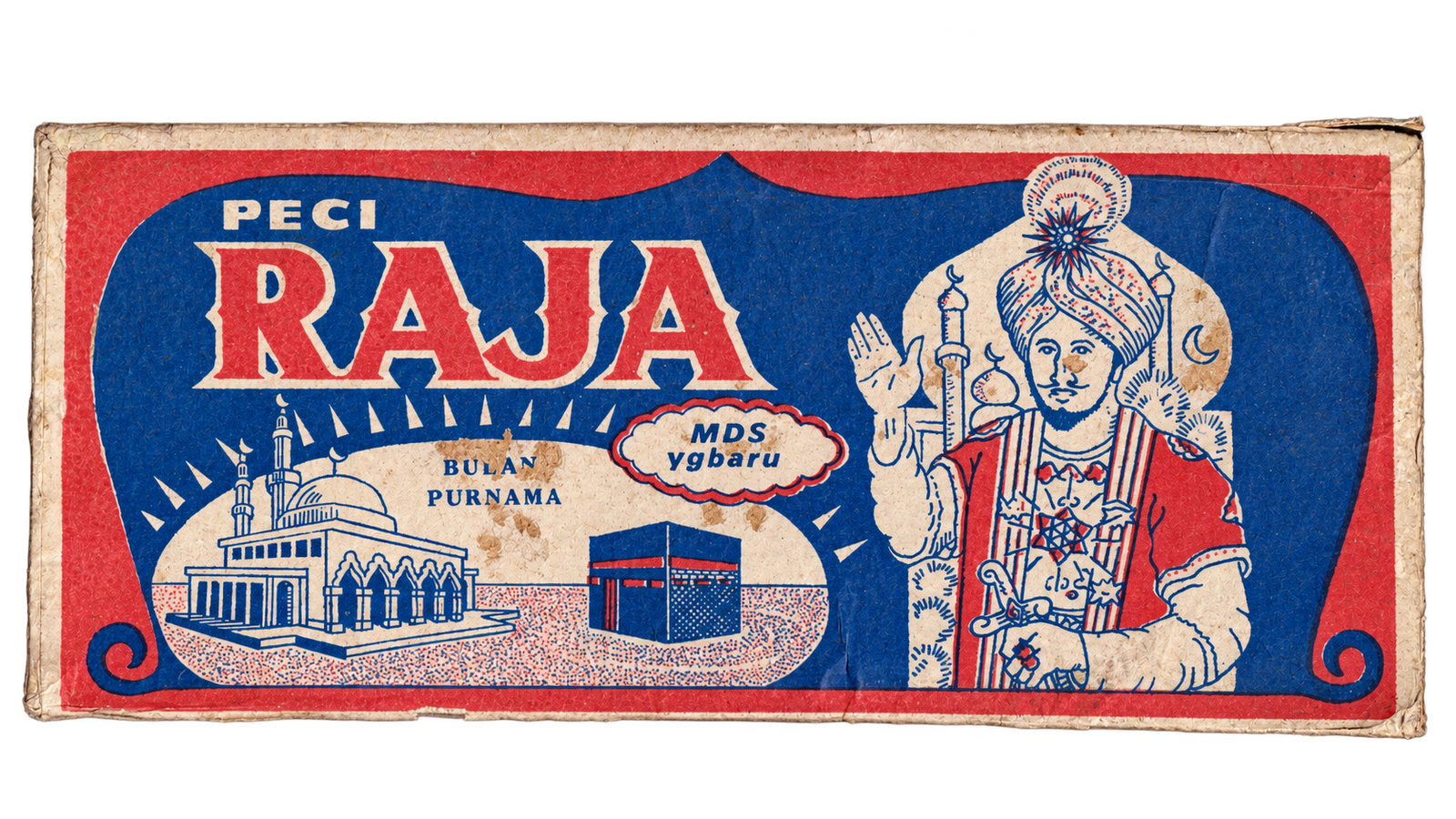
[Fig. 5] This printed paper label from the Grafis Nusantara Collection features the Peci Raja Bulan Purnama, created by MDS yg baru.
Famous Role Models
The labels also give Islamic piety a recognisable face. Songkok Special Lima Sahabat [Fig. 6] hypothetically depicts Abu Bakr, Umar, Uthman, and Ali, the four Rightly Guided Caliphs and among the Prophet Muhammad’s closest companions, walking towards a mosque that resembles the Blue Mosque (Sultan Ahmed Mosque) in Istanbul. Their appearance compresses a history of faith and religious devotion into an image small enough to sit beside a brand name. Piety here is presented through figures whose lives have long served as models of religious conduct.
Other labels bring that visual language closer to home. Pahlawan Islam, or “Islamic Hero,” label [Fig. 7] depicts Pangeran Diponegoro not simply as a Javanese prince or anti-colonial leader, but through his association with Islam. His complex historical identity is condensed into the familiar image of a religious hero that creates a distinctly Indonesian figure of piety within the same visual tradition.
Songkok Super Sunan Gunung Jati label [Fig. 8] takes this further. The label presents a portrait of the revered Javanese Islamic scholar and one of the Wali Songo, although no verified historical portrait establishes what he actually looked like. The illustration is therefore less a likeness than an image of religious authority. His imagined face joins the company of the caliphs and Diponegoro, turning historical memory into something immediately recognisable and commercially reproducible.
Across these labels, Islamic virtue is repeatedly attached to people rather than symbols alone. The figures come from different periods and traditions, from the companions of the Prophet to Javanese rulers and saints, yet they occupy the same small space on everyday garments.
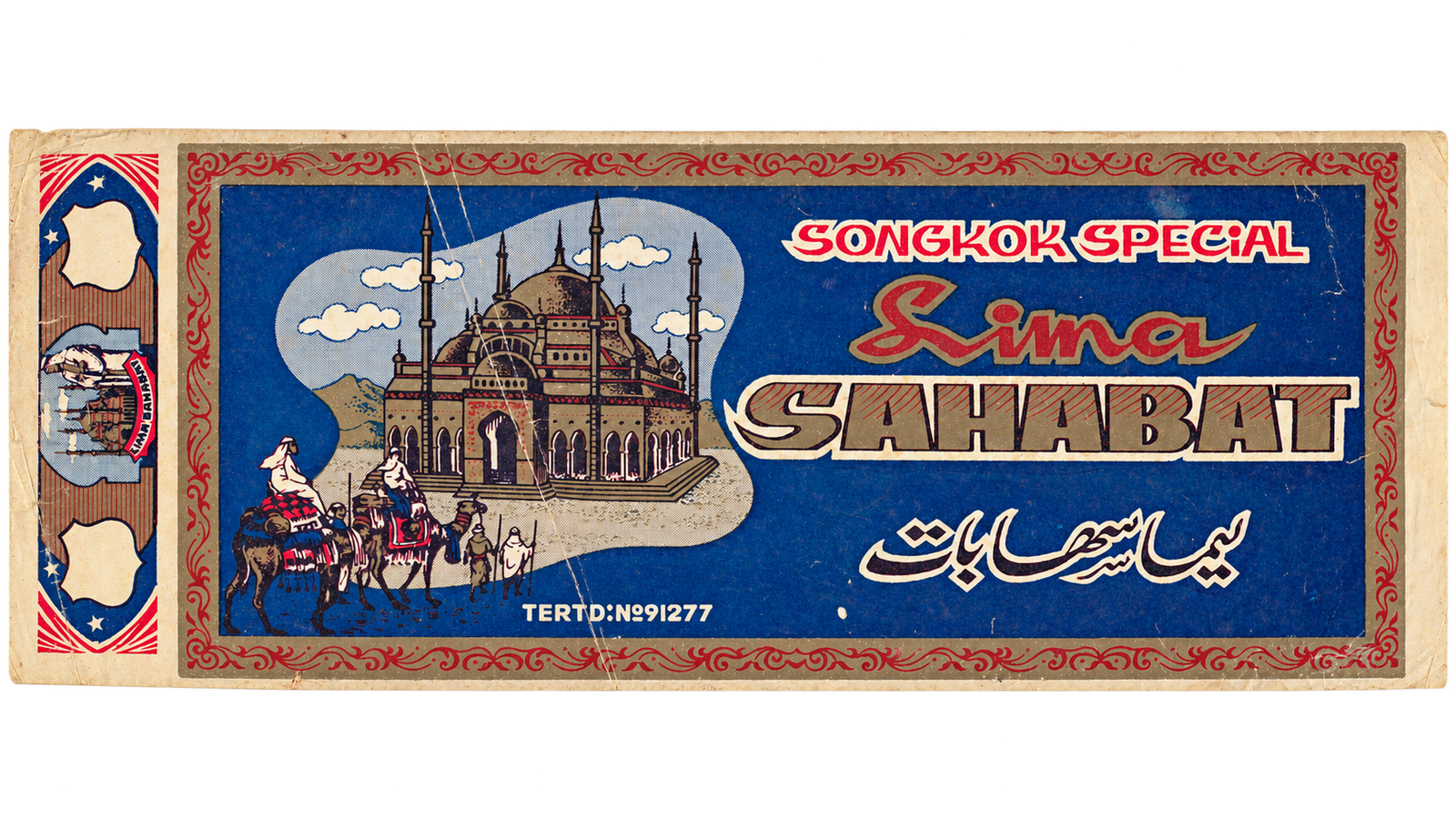
[Fig. 6] This printed paper label from the Grafis Nusantara Collection features the Songkok Special Lima Sahabat, registered under Tertd: No 91277.
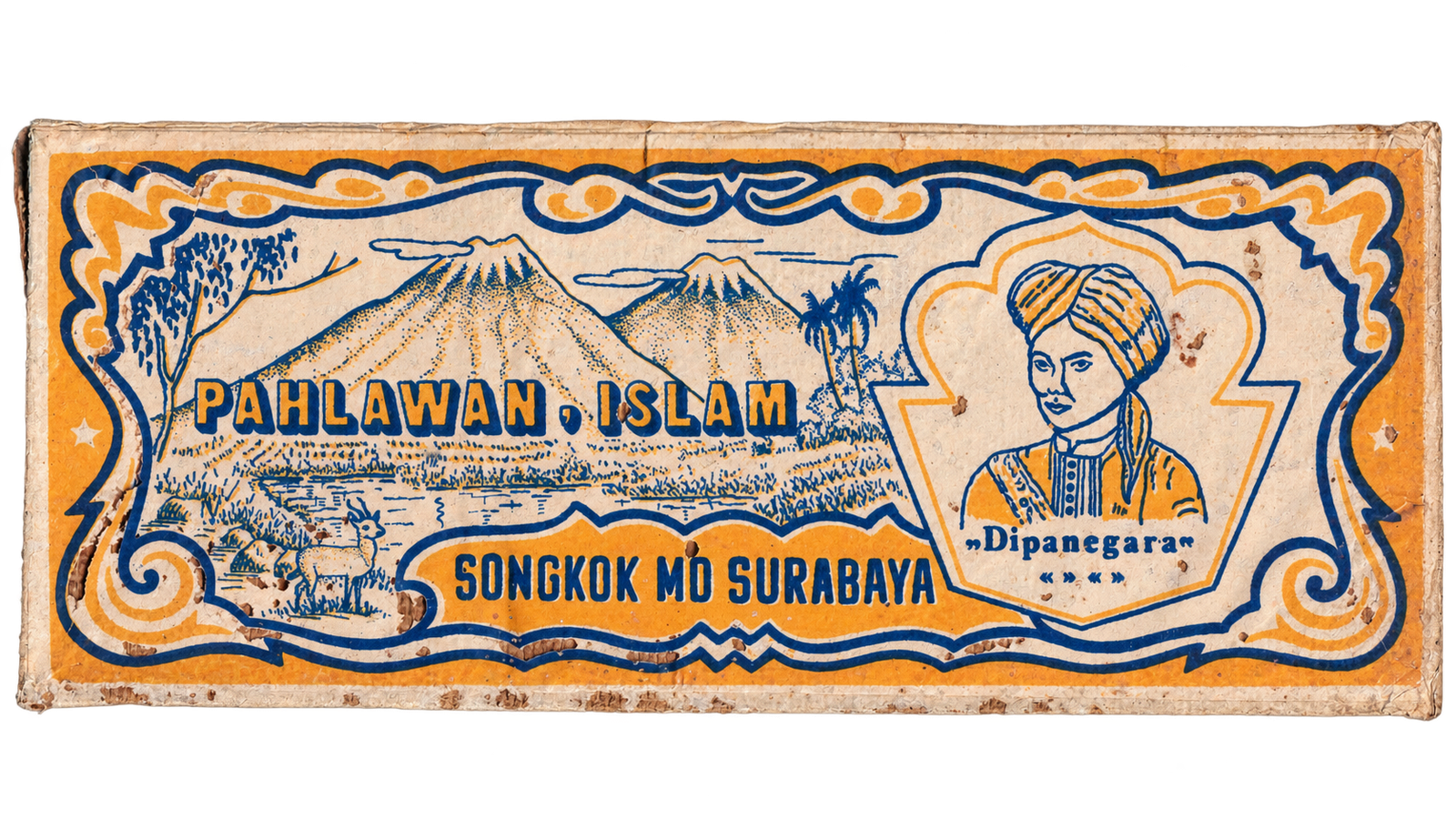
[Fig. 7] This printed paper label from the Grafis Nusantara Collection features the Pahlawan Islam “Dipanegara” songkok, created by MD Surabaya.
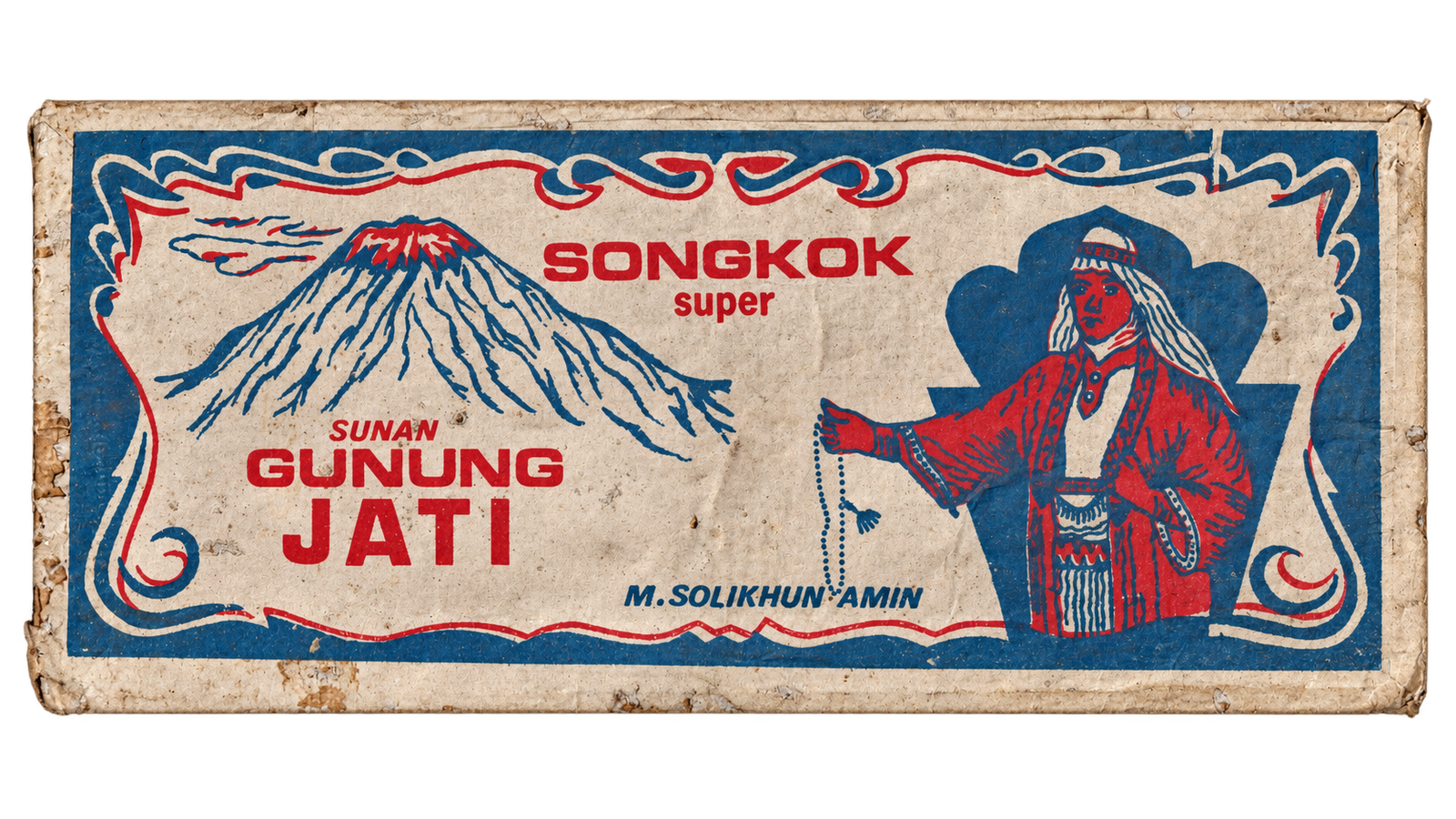
[Fig. 8] This printed paper label from the Grafis Nusantara Collection features the Songkok Super Sunan Gunung Jati, produced by M. Solikhun Amin.
Jawi and Pegon: Scripts of the Archipelago
Text forms another layer of these songkok and sarung labels. Arabic calligraphy frequently appears inside oval or rectangular frames, while other labels pair a Latin-script brand name with Jawi or Pegon elsewhere in the composition. Their coexistence reflects a visual culture in which Arabic-derived lettering has long carried associations with Islam, while Latin script has become dominant in everyday Indonesian writing.
For centuries, Jawi was one of the principal writing systems of the Malay world. Adapted from Arabic to represent Malay and other local languages, it travelled through religious texts, correspondence, administration, literature, and trade. In the Javanese world, the same approach of adapting the Arabic script to a local language went by the name Pegon. [3] Both were used to write Islamic learning and everyday communication in their respective regions. Their presence across centres of Islamic learning connected local languages to a wider Islamic intellectual world. Although Jawi and Pegon have since receded from everyday use in Indonesia, their letterforms remain familiar within the region’s religious and historical imagery.
On these labels [Fig. 9-15], that familiarity allows script to operate as both language and image. A phrase may be too stylised, or unfamiliar for a contemporary reader to decipher, yet the shapes of the letters can still register immediately as Islamic. When Latin lettering, Arabic calligraphy, and Jawi or Pegon share the same printed surface, the label collapses several histories of writing into a single composition. What matters is not only what the words say, but what the scripts make the garment look like before it is ever worn.
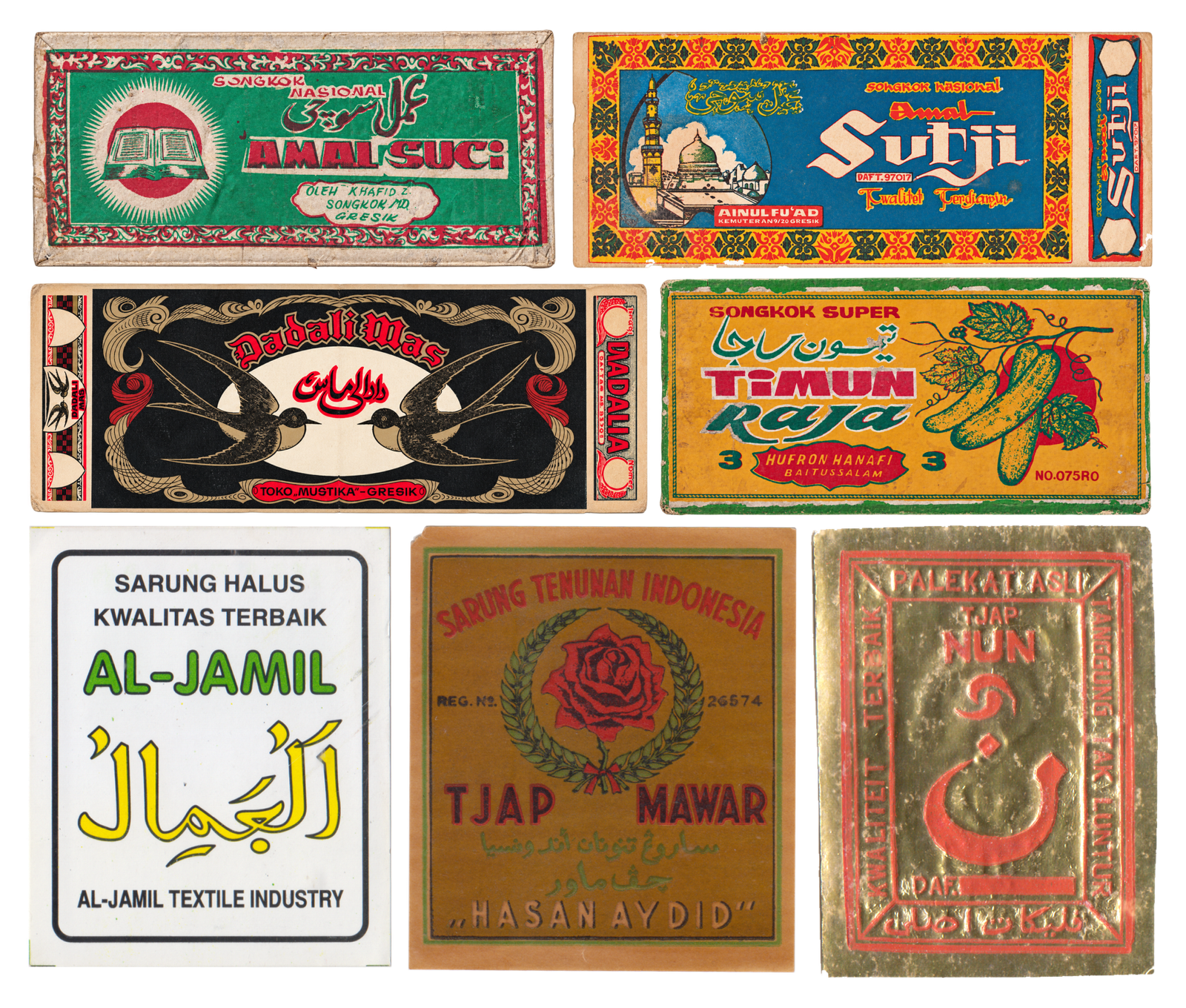
This collection of Indonesian product labels from the Grafis Nusantara Collection showcases songkok and sarung labels, primarily from Gresik, East Java. The labels feature a combination of Latin lettering and Jawi/ Pegon script, highlighting cultural and linguistic heritage. First row: [Fig. 9] Amal Suci (عمل سوچي): A songkok label by Khafid I., Gresik. The open book with radiating light reads as a Qur'an. [Fig. 10] Amal Sutji (عمل سوجي): Songkok Nasional by Ainulfu'ad, with an ornate floral border and a mosque with a green dome, likely the Prophet's Mosque in Medina. "Sutji" is the older spelling of suci. Second row: [Fig.11] Dadali Mas (دادالي ماس): Sold through Toko "Mustika," Gresik. Two swallows face each other, and the Jawi spelling mirrors the Latin title in the centre. [Fig. 12] Timun Raja (تيمون راجا): "Songkok Super" by Hufron Hanafi, Baitussalam. A cucumber ("timun") vine fills the design, and the title is written in Jawi above it. Third row: [Fig. 13] Al-Jamil (الجمال): A sarung label from Al-Jamil Textile Industry. The Arabic reads al-jamāl ("beauty") rather than al-jamīl, and it is Arabic proper rather than Jawi. [Fig. 14] Tjap Mawar (چاب ماور): "Sarung Tenunan Indonesia" by Hasan Aydid, Reg. No. 26574. A rose in a laurel wreath, with Jawi lettering for the product line and brand at the bottom. "Tjap" is the older spelling of cap (brand). [Fig. 15] Tjap Nun (ن): A gold-foil embossed label whose emblem is the Arabic letter nun.
Symbol of Nationalism
In the early twentieth century, the songkok, or peci, moved beyond its association with Muslim dress and entered the visual language of anticolonial politics. Its most recognisable nationalist association came through Sukarno [4], whose black peci became inseparable from his public image. As the garment entered the imagery of the emerging Indonesian state, it acquired a second identity alongside its religious one.
The labels preserve this shift in a particularly ordinary form. Several describe the product as Songkok Nasional, explicitly naming the peci as a national garment. The phrase is striking on a piece of commercial packaging. What had circulated through political portraits and nationalist imagery now appeared beside a brand name and product details, turning the idea of national identity into something available for everyday purchase.
The songkok could therefore move between the mosque, the political stage, and the family photograph without changing its basic form. On these labels, Songkok Nasional captures that overlap: a Muslim garment whose meaning had expanded to accommodate an emerging idea of Indonesian national identity.
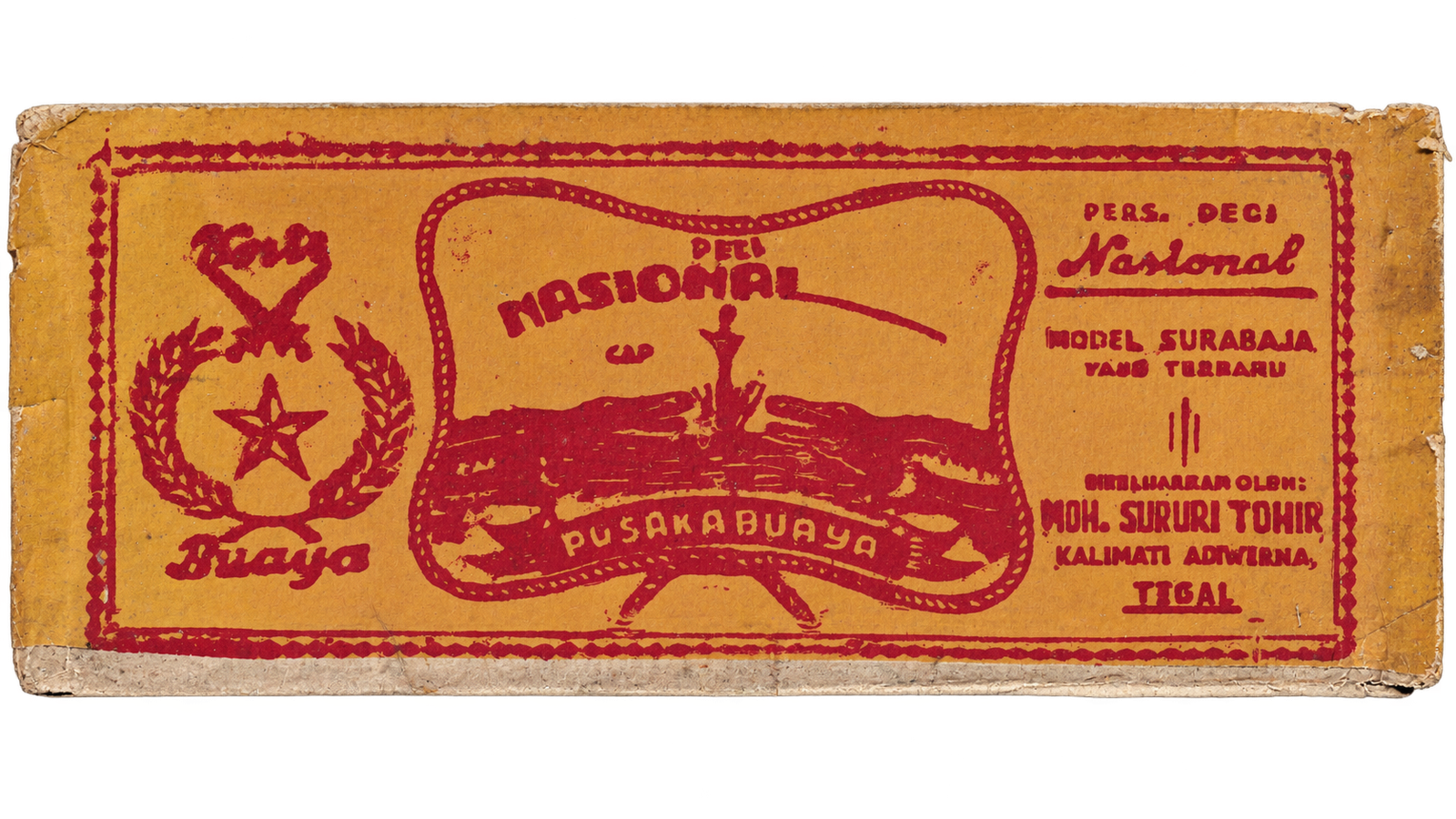
This printed paper label from the Grafis Nusantara Collection features the Deci Nasional cap Pusaka Buaya, titled 'Model Surabaja yang terbaru' (the newest Surabaya model), issued by Pers. Deci Nasional and created by Moh. Sururi Tohir in Kalimati, Adiwerna, Tegal.
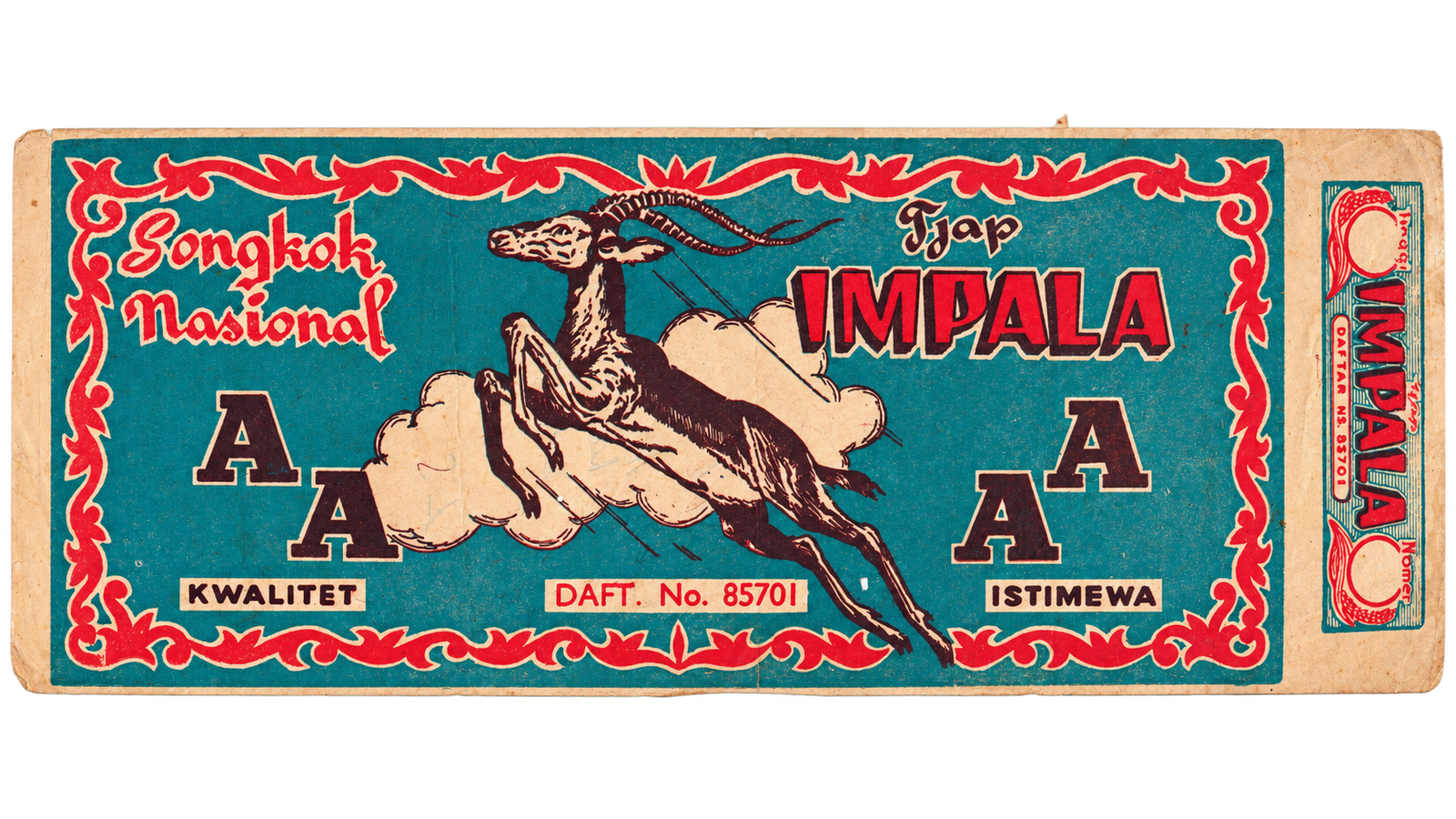
This printed paper label from the Grafis Nusantara Collection features the Songkok Nasional, registered under Daftar No. 85701, with the address Ambari Kemuteran 9/20, Gresik.
__
Peci and sarung were made and sold locally, yet their labels repeatedly reached beyond Indonesia. Mecca, Arabic calligraphy, Jawi, the Prophet’s companions, Diponegoro, the Wali Songo, and Songkok Nasional appear alongside ordinary brand names and product details. These images belonged to a visual vocabulary already familiar to the people buying them.
Most of the labels were discarded as soon as the packaging was opened. The garments survived; the paper did not. Preserved in the Grafis Nusantara collection, these small fragments offer a glimpse into the images that once accompanied everyday Muslim dress. Within a few centimetres of printed paper, a locally made garment could be connected to Mecca, Islamic history, Javanese religious traditions, and Indonesian national identity. What was designed to be thrown away now preserves a small but revealing record of how those worlds were pictured together.